
Fastest Citizenship by Investment
Vanuatu’s Development Support Program is the world’s fastest citizenship-by-investment route — most applicants receive their passport within 60 days of a complete submission. We manage the full process so you focus on what comes next.
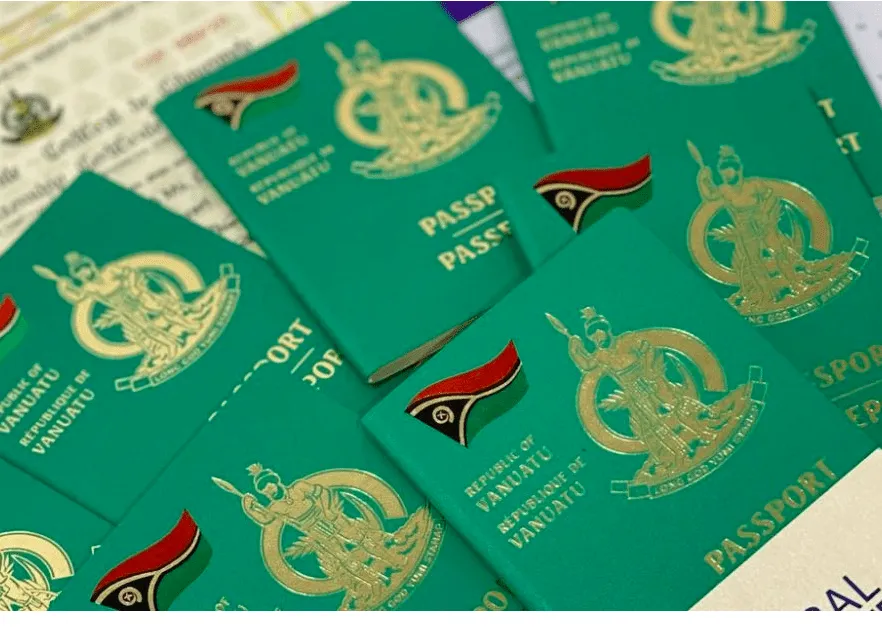
Why Processing Speed Matters in Citizenship Planning
Circumstances change fast — a geopolitical shift, a business opportunity, a change in travel restrictions. For investors who need a second passport on a defined timeline, processing speed is not a secondary consideration: it is the primary criterion. Not all citizenship-by-investment programs move at the same pace, and the gap between the slowest and fastest programs is measured in years, not months.
At the fast end of the spectrum, Vanuatu’s Development Support Program (DSP) stands in a category of its own. For applicants who submit a complete, well-prepared file through an authorised agent, the typical processing window is 30 to 60 days from submission to passport issuance. That figure is not marketing copy — it reflects the programme’s design as a streamlined, government-administered process with defined review stages and no legislative approval bottlenecks.
How Vanuatu Compares to Other Fast Programmes
The citizenship-by-investment landscape offers several programmes that are positioned as expedient. Understanding how they compare on actual processing timelines — not advertised ranges — is essential before committing funds.
| Programme | Minimum Investment | Typical Processing Time | Residency Required | Due Diligence Depth |
|---|---|---|---|---|
| Vanuatu DSP | USD 130,000 (single) | 30–60 days | None | FIU multi-layer check |
| Dominica | USD 100,000 (donation) | 3–5 months | None | Government + third-party |
| St. Kitts & Nevis | USD 250,000 (donation) | 4–6 months | None | Enhanced due diligence |
| Grenada | USD 150,000 (donation) | 4–6 months | None | Government + FBI check |
| Malta (naturalisation) | EUR 600,000+ | 12–14 months | 1-year effective residency | Tier 1 (most stringent) |
The comparison above reflects typical timelines under normal programme conditions. Actual durations depend on file completeness, due diligence outcomes, and application volume at any given period. Vanuatu’s structural advantage — no legislative vote, no quota system, and a dedicated government unit — is what drives its speed.
The Vanuatu DSP: Anatomy of a Fast Programme
Speed is an outcome of design, not accident. The Vanuatu DSP achieves its processing time through a series of deliberate structural choices.
Dedicated Review Unit
The Financial Intelligence Unit (FIU) administers all due diligence checks for citizenship applications. Unlike programmes that route files through multiple government departments with separate queues, Vanuatu’s process flows through a single specialist body. This eliminates inter-departmental delays and creates accountability for timelines.
No Parliamentary Approval Requirement
Several citizenship programmes — including some marketed as fast — require a vote or formal approval from a legislative body before citizenship can be granted. Vanuatu’s DSP does not. Once the FIU clears an application and the contribution is confirmed, the grant of citizenship follows through executive process. This removes the single largest source of delay in comparable programmes.
Clear Contribution Structure
Ambiguity in an application — missing documents, unclear fund sourcing, inconsistent declarations — is what generates requests for information and stalls processing. The DSP’s defined contribution structure and document checklist leave little room for uncertainty when a file is properly prepared. Experienced agents who know the process can build files that clear in the minimum window.
Who Benefits Most from a Fast Citizenship Programme
Not every investor prioritises speed equally. But for certain profiles, the 30–60 day window is the decisive factor:
- Entrepreneurs facing travel restrictions: Business founders who cannot freely enter key markets due to passport limitations lose deals. A fast second passport resolves this in weeks, not quarters.
- Investors with near-term relocation plans: Individuals planning a move or seeking to establish residency in a third country often need a new travel document before they can advance that process.
- High-net-worth families in politically uncertain environments: When the geopolitical situation in a home country deteriorates rapidly, a one-to-two-year programme timeline offers no protection. A two-month programme does.
- Individuals with upcoming tax-year transitions: Tax planning around a change of fiscal residency frequently has hard deadlines tied to the calendar year. A fast passport enables the residency change to align with the intended tax year.
What Determines Whether You Qualify
The DSP’s speed is available to applicants who can meet its eligibility requirements. The programme does not grant citizenship to every applicant — due diligence is genuinely rigorous — but it does process qualifying applicants at industry-leading speed.
- Minimum age of 18 for the primary applicant
- Clean criminal record from all countries of citizenship and long-term residence
- No sanctions listings on international databases
- Verifiable and lawful source of investment funds
- No prior refusal or revocation of citizenship or residency in another country
- Valid passport with sufficient validity remaining
The FIU cross-references applicant data against law enforcement databases, sanctions lists, and international intelligence-sharing channels. Applicants with fully clean backgrounds who present their documentation accurately routinely clear in the minimum processing window.
Realistic Timeline from First Contact to Passport
- Weeks 1–2: Initial eligibility assessment, agent engagement, and FIU due diligence fee payment (USD 5,000). Internal pre-screening begins.
- Weeks 2–4: Document collection and preparation — source of funds evidence, police clearances, civil status documents. Full file compiled by the agent.
- Week 4: Formal submission to the FIU and payment of the government contribution (USD 130,000 for a single applicant).
- Weeks 4–8: FIU review and due diligence checks. This is the primary variable in the timeline. Well-prepared files clear faster.
- Weeks 8–10: Oath of allegiance (can be administered remotely by a designated commissioner), citizenship certificate issued, passport application submitted.
- Weeks 10–12: Passport produced and delivered. Travel document in hand.
A Note on What “Fast” Cannot Substitute
Processing speed is a means to an end. Before selecting any programme on speed alone, verify that the resulting passport meets your actual travel and business needs. As of 2026, the Vanuatu passport provides visa-free or visa-on-arrival access to over 90 countries and territories, including Singapore, Hong Kong, Russia, and the United Kingdom. EU Schengen Area access was suspended in 2023 and remains suspended. If your primary requirement is European mobility, evaluate your options accordingly before committing.
FAQ
Fastest Citizenship by Investment: FAQs
Vanuatu’s Development Support Program (DSP) is consistently the fastest citizenship-by-investment programme available. Applicants with a clean background and a properly prepared file typically receive their passport within 30 to 60 days of submission. No other programme with comparable access rights approaches this processing window.
Yes. From submission of a complete file with government contribution paid, applicants routinely clear the FIU review in four to six weeks. Including the time to prepare documents and pay the initial due diligence fee, the total elapsed time from first engagement to passport in hand is typically 10 to 12 weeks for straightforward cases.
No. The entire process can be completed remotely, including the oath of allegiance which can be administered by a designated commissioner in your country. There is no requirement to visit or reside in Vanuatu at any stage before, during, or after your citizenship is granted.
The most common causes of delay are incomplete source-of-funds documentation, inconsistencies between declarations and supporting evidence, and missing police certificates from prior countries of residence. Working with an experienced agent who can identify and resolve these issues before submission eliminates most delays.